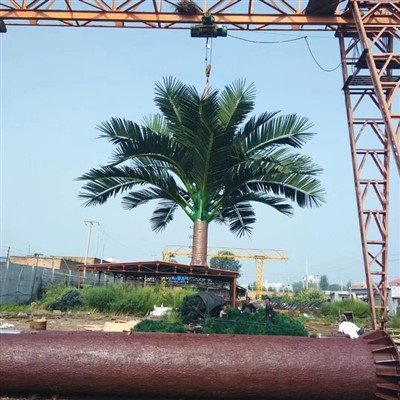
As a crucial lightning protection facility, the material choice for lightning towers directly impacts their durability, electrical conductivity, and corrosion resistance. Currently, the main materials used for lightning towers include steel, stainless steel, aluminum alloy, and copper alloy. Each material offers unique advantages and suitability for different environmental conditions.
Steel, particularly galvanized steel, is the most commonly used material for lightning towers. It offers high strength, good electrical conductivity, and low cost, effectively withstanding the significant current generated by lightning strikes. Galvanizing significantly improves steel's corrosion resistance, extending its service life and making it suitable for most climates. However, in environments with high salt spray or strong acid rain, ordinary steel is susceptible to rust and requires enhanced corrosion protection.
Stainless steel lightning towers offer superior corrosion resistance and are particularly suitable for coastal areas or environments with heavy chemical pollution. Stainless steel (such as grades 304 or 316) contains chromium and nickel, which form a stable oxide film to prevent rust. However, its cost is higher and its electrical conductivity is slightly lower than that of carbon steel. Therefore, galvanized steel is generally preferred in less corrosive environments.
Aluminum alloy lightning towers are used in weight-sensitive or aesthetically pleasing applications due to their lightweight, corrosion-resistant, and excellent electrical conductivity. Aluminum alloy's low density makes it easy to transport and install, while its natural oxide layer provides long-term protection. However, its relatively low strength may make it less stable than steel in areas with strong winds or high loads.
Copper alloy lightning towers offer the best electrical conductivity and strong corrosion resistance, but they are extremely expensive and are primarily used in specialized applications, such as protecting historic buildings or high-precision equipment. Copper lightning towers have an extremely long lifespan but are susceptible to theft.
In summary, the material selection for a lightning tower must comprehensively consider environmental conditions, cost, and performance requirements to ensure long-term stable operation and effective lightning protection.