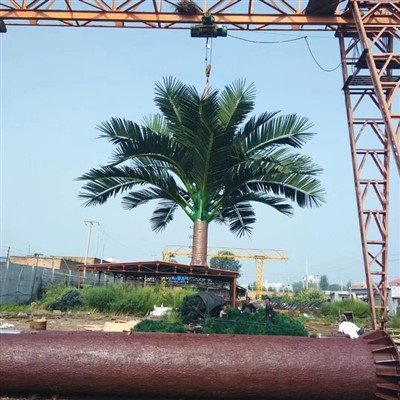
A lightning tower is a tall metal structure used to protect buildings, power facilities, and other critical structures from lightning strikes. Its core function is to safely divert lightning current into the ground, preventing it from directly striking the protected object and causing damage. Its operating principle is based on the tip discharge effect and the design of the conductive path. It achieves its protective effect primarily through three key steps: lightning termination, downconduction, and grounding.
First, the lightning tower's lightning termination function relies on its tall metal structure and pointed design. According to the principle of tip discharge in physics, the charge density at the tip of a conductor is higher, making it more likely to generate an upward leader under the influence of the thundercloud's electric field, actively attracting lightning discharge. Lightning towers are typically constructed of galvanized steel or copper, with a pointed top design that significantly increases the probability of capturing lightning, causing it to strike the tower rather than the protected object.
Second, when lightning strikes the tower, the powerful lightning current is conducted through the tower to the downconductor system. The down conductor, constructed from highly conductive materials (such as stranded copper wire or flat steel), runs vertically along the tower and forms a low-impedance electrical connection with the tower, ensuring rapid and even downward transmission of lightning current, preventing localized overheating or arcing.
Finally, the down conductor directs the lightning current to the grounding system, a critical final step in the lightning tower's protection. The grounding system typically consists of buried metal electrodes (such as copper-clad steel electrodes or galvanized angle steel) that maintain full contact with the soil through a large grounding grid to reduce grounding resistance. The lightning current diffuses through the grounding electrode to the earth, where the energy is absorbed by the soil, preventing harm to surrounding equipment and personnel.
In summary, through the synergistic effects of scientific geometric design, conductive materials, and grounding systems, lightning towers transform lightning threats into a controlled energy release process, providing reliable lightning protection for critical facilities.