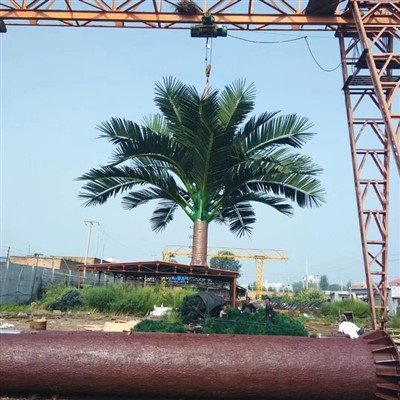
Power towers, as core infrastructure of modern power grids, bear the heavy responsibility of long-distance transmission and distribution of electricity. With the growth of global energy demand and the rapid development of renewable energy, the design, materials, and functions of power towers are undergoing profound changes, creating new opportunities for international energy cooperation and foreign trade.
Traditional power towers are mostly steel structures, renowned for their strength and durability, but they are also heavy and expensive to transport. In recent years, aluminum alloy and composite power towers have become increasingly popular. These lightweight designs not only reduce construction and maintenance costs but also enhance corrosion resistance, making them particularly suitable for marine environments or areas with high salt spray. For example, Chinese companies have successfully implemented modular aluminum alloy towers in multiple power transmission projects in Southeast Asia and Africa, shortening construction periods and minimizing impact on the local environment.
From a technological perspective, smart power towers are becoming an industry focus. By integrating sensors and IoT technology, modern power towers can monitor structural health, weather conditions, and line loads in real time, significantly improving the safety and efficiency of power grid operations. This trend is driving demand for high-precision manufacturing and digital solutions, creating a vast market for export companies with advanced technologies.
In international trade, the export of power towers encompasses not only the products themselves but also engineering design, installation services, and localized collaboration. Emerging markets such as the Middle East and Latin America are experiencing strong demand for efficient transmission networks, while Europe is prioritizing low-carbon materials and sustainable solutions. Chinese companies, leveraging their comprehensive supply chain and competitive price-performance ratio, hold a significant position in the global power tower market. However, they also face competition from European, Japanese, and Korean companies in high-end technology.
As the global energy transition accelerates, power towers, as the physical vehicle for energy interconnection, will further unleash their export potential. Companies must keep pace with technological innovation and strengthen their localized service capabilities to meet the increasingly diverse demands of the international market.