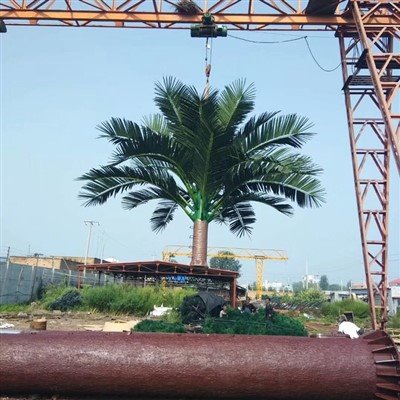
Power towers, as core infrastructure of power transmission systems, play a vital role in supporting high-voltage power lines and ensuring stable power transmission. Power towers can be categorized into various types based on their purpose, structure, and materials, each with its own specific market requirements and technical standards in international trade.
By application, power towers are primarily divided into transmission towers and distribution towers. Transmission towers are used for long-distance high-voltage or ultra-high-voltage transmission lines. They are typically tall and complex, and are commonly found in cross-border power transmission projects. Distribution towers, on the other hand, are used for short-distance low-voltage or medium-voltage power distribution. They have a relatively simple structure and are widely used in urban and rural power grid construction. In international trade, transmission towers, due to their high technical requirements, are often a focus of high-end power equipment exports.
By structural form, power towers can be categorized as self-supporting towers, guyed towers, and steel pipe towers. Free-standing towers rely on their own structural stability and require no additional support, making them suitable for flat terrain. Guyed towers utilize guy wires for added stability and are suitable for areas with strong winds. Steel tubular towers, made of high-strength steel, are lightweight and require minimal floor space, making them commonly used in densely populated urban areas or for cross-sea transmission projects. In international trade, demand for steel tubular towers has grown significantly due to their high efficiency and environmental friendliness.
By material, power towers primarily include angle steel towers, steel tubular towers, and composite towers. Angle steel towers are welded from steel, offering low cost and widespread application. Steel tubular towers primarily utilize seamless steel pipes, offering strong wind resistance and suitable for high-load transmission lines. Composite towers utilize new materials such as fiberglass, offering corrosion resistance and low maintenance costs, and are gaining popularity in the European and American markets.
In international trade, exported power towers must comply with the target market's electrical safety standards (such as IEC and IEEE) and environmental regulations. Understanding the characteristics and applicable scenarios of different types of power towers can help suppliers accurately meet overseas customer needs and enhance their market competitiveness.