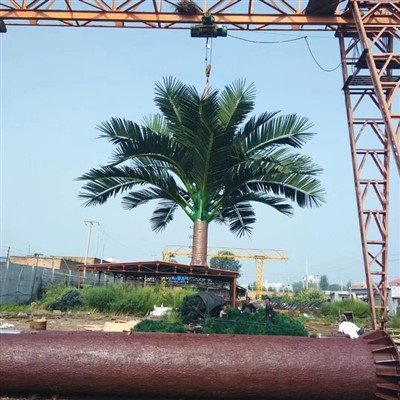
Angle steel and towers, as essential components of steel structures, are widely used in power, communications, construction, and other fields. Proper use of angle steel and towers not only improves structural stability, but also extends service life and reduces maintenance costs. The following are some key tips.
1. Proper Selection and Calculation
Angle steel specifications (such as side length and thickness) must be selected based on load-bearing requirements. Mechanical calculations are typically performed in accordance with the Code for Design of Steel Structures. Tower design must consider wind loads, snow loads, and seismic factors to ensure overall structural strength and stability. When selecting materials, prioritize high-strength, corrosion-resistant steel. Whether to use hot-dip galvanizing or spray coating for corrosion protection should be determined based on environmental conditions.
2. Installation and Fixing
When installing angle steel, ensure that welded or bolted connections are secure. Welds should be uniform and full to avoid cold welds or stress concentrations. Tower assembly must strictly follow the design drawings. The foundation must be stable, typically cast in concrete, with pre-buried anchor bolts to enhance overturning resistance. When working at height, professional lifting equipment must be used and fall prevention measures must be implemented.
3. Maintenance and Inspection
Angle steel and towers exposed to the outdoors for extended periods are susceptible to corrosion and weathering. Regular inspection of welds, bolts, and joints is recommended. Any rust should be promptly removed and repainted. For towers, foundation settlement should also be checked and reinforced as necessary. After severe weather such as strong winds or heavy rain, structural deformation or loosening should be investigated.
4. Optimizing the Operating Environment
In coastal or high-humidity areas, it is recommended to use more corrosion-resistant materials, such as stainless steel or galvanized angle steel. Drainage should be maintained around towers to prevent water accumulation that could soften the foundation. Additionally, the spacing between towers should be appropriately planned to prevent electromagnetic interference or wind vibration that could affect stability.
Through scientific selection, standardized installation, and regular maintenance, the service life of angle steel and towers can be significantly extended while ensuring project safety and cost-effectiveness.