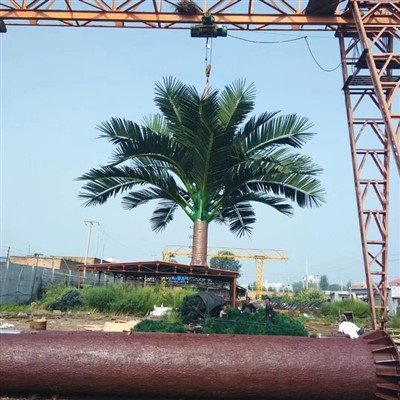
A lightning tower is a tall metal structure used to protect buildings, power facilities, and critical equipment from lightning strikes. Its scientific and rational construction is directly related to its lightning protection effectiveness and structural stability. The design of a lightning tower must strictly adhere to electrical engineering specifications to ensure the effective coordination of its three core functions: lightning termination, downconductor, and grounding.
Structurally, a lightning tower consists of four main components: the tower body, lightning receptors, downconductors, and grounding devices. The tower body is typically welded from angle steel, steel pipes, or round steel, forming a truss or free-standing structure. The height is determined by the protection range (typically 30-50 meters). The material must be high-strength and corrosion-resistant, and the surface is often hot-dip galvanized to extend its service life. The lightning receptor is the component that directly captures lightning and is typically installed at the top of the tower. It can be in the form of a lightning rod, lightning strip, or a grid-like conductor, preferentially attracting the lightning current through the tip discharge effect. Down conductors are responsible for safely conducting lightning current to the ground. They are typically laid vertically along the tower, using multiple, dispersed paths to reduce inductance. They are made of galvanized steel strands or copper conductors with a cross-sectional area of at least 50 mm² and are electrically connected to the tower. The grounding system is the final discharge point of the system and consists of a horizontal grounding electrode (such as flat steel) and a vertical grounding body (angle steel or copper-clad steel rod). Buried in areas with low soil resistivity, the grounding resistance must meet a requirement of ≤10Ω (stricter requirements apply in specialized locations).
In addition, the installation of lightning towers must consider terrain, climate, and surrounding environmental factors. For example, auxiliary grounding electrodes may be added in areas prone to lightning strikes, and salt spray corrosion-resistant materials may be used in coastal areas. Scientific construction methods and standardized construction procedures are key to the effectiveness of lightning towers.