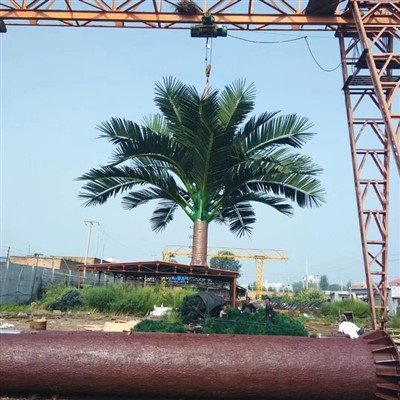
As critical infrastructure, monitoring towers perform multiple functions, including environmental monitoring, communication relay, and safety warning. Their long-term stable operation is directly related to the reliability of related systems. To ensure the structural safety and equipment efficiency of monitoring towers, establishing a scientifically sound maintenance cycle is crucial.
Regular Maintenance Cycle
Basic maintenance for monitoring towers is typically divided into three levels: daily inspections, quarterly maintenance, and annual overhauls. Daily inspections, performed weekly or biweekly by on-site maintenance personnel, focus on checking for rust, loose bolts, and foundation settlement. Quarterly maintenance requires inspection and repair of the tower's steel structure's anti-corrosion coating, cleaning of solar panels and antennas, and testing of the lightning protection system's effectiveness. Quarterly maintenance is recommended every three months and includes structural stress testing, electrical wiring insulation testing, lubrication system maintenance, and spare parts replacement. This annual overhaul, a key component of comprehensive maintenance, should be performed by a professional team during non-extreme weather seasons (such as spring or autumn).
Special Environment Adaptation
In coastal areas with high salt fog or severe acid rain, the corrosion rate of metal components is accelerated. Therefore, the anti-corrosion treatment cycle should be shortened to once every six months, and the thickness of the anti-rust coating should be increased. Monitoring towers located in earthquake-prone areas or high-wind regions should undergo additional foundation reinforcement and structural stability assessments. Professional seismic testing is recommended every six months. Furthermore, if the monitoring tower is equipped with precision instruments (such as meteorological sensors or communication base stations), moisture and dust protection of their electronic components should be included in quarterly maintenance.
A rational maintenance schedule not only extends the lifespan of the monitoring tower but also reduces the risk of sudden failures through preventive maintenance. Operations and maintenance units should dynamically optimize maintenance plans based on local environmental conditions, equipment usage intensity, and historical failure data to ensure the monitoring tower is always in optimal operating condition.